Best Gym Equipment for Glutes: What to Put on the Floor and Why
The best gym equipment for glutes: a hip thrust machine first, then a second glute machine and a glute ham raise. Models, list prices, sizes and set-up tips.
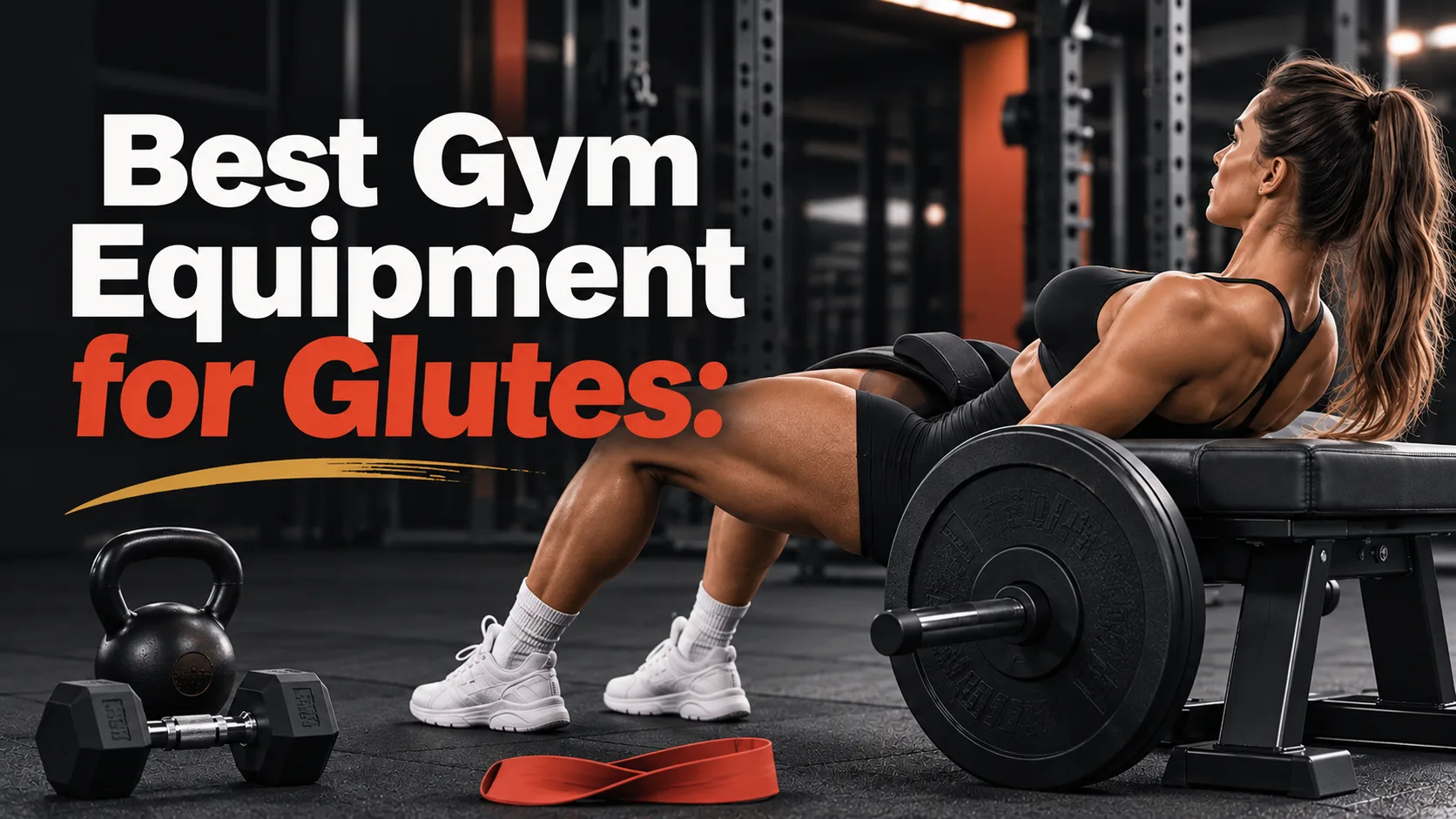
A well-equipped glute area needs three things: a loaded hip-extension station (a glute drive or hip thrust machine), a machine that trains the glutes through a different movement (a standing or kneeling glute machine), and a free-space or bodyweight option such as a glute-ham or back-extension station. Members will use all three, and none needs much floor space.
Why does glute equipment matter for a commercial gym?
Glute training is among the most requested categories from members, and it is the area where a free-weight setup is often awkward: a barbell hip thrust needs a bench, a pad, plates and some confidence. A purpose-built station lowers the barrier for beginners, speeds up turnover at peak times, and removes the guesswork from setup.
For personal trainers it also means repeatable sessions. A machine with a fixed path and a clear loading system lets a trainer coach the movement rather than the equipment.
What does the research say about the best glute exercises?
The most cited study here is Contreras and colleagues (2015). In 13 trained women, a barbell hip thrust produced higher electrical activity (EMG) in the upper and lower gluteus maximus and in the biceps femoris than a back squat, while activity in the vastus lateralis did not differ significantly. The authors said longitudinal training studies were still needed.
That caution matters. EMG shows how active a muscle is during a lift, not how much it will grow. A 2023 training study by Plotkin and colleagues compared the two lifts over nine weeks and found similar glute growth. The practical reading for an equipment buyer: hip-extension exercises are a strong addition to a glute programme, and they do not need to replace squats or lunges. Offer both, and let your members' coaches choose.
Which equipment should you buy first?
1. A glute drive or hip thrust machine
This is the anchor purchase. A hip-thrust style machine gives members the movement shown in the research above with a belt or pad and a selectorised or plate-loaded stack, with no barbell to roll or balance.
Gym Factory's range includes the Z16X Glute Drive (€1,313 ex-VAT) and the Z16XX Glute Drive (€1,328 ex-VAT). Both sit at the lower end of the machine price range, which makes them practical for a first purchase or for a second unit where demand is high.
2. A dedicated glute machine
A second station that trains the glutes through a different path, such as a kick-back or hip-extension movement, widens the options for members and gives trainers a way to vary a programme without changing stations.
Gym Factory lists several: the V3X Glute Machine (€2,699 ex-VAT), the V2 Glute Machine (from €2,751 to €3,203 ex-vat), the V4 Hip Glute Machine (from €2,861 to €3,029 ex-VAT) and the Z16XB Glute Machine (from €2,106 to €2,275 ex-VAT). Ranges reflect different configurations; check the product page for the one you are buying.
3. A glute-ham raise or floor glute station
For smaller budgets, a glute-ham developer trains the posterior chain with bodyweight and adds little to your floor footprint. Gym Factory's L4 Glute Ham Raise is around €725 ex-VAT, and the S3X Floor Glute Ham Developer & Sissy Squat is around €550. These are useful for warm-ups, high-rep finishers and members who prefer bodyweight work.
How much space and money should you plan for?
A starter glute zone with one hip-thrust machine and one glute-ham station could be set up for around €1,900–€2,100 ex-VAT at the list prices above (Z16X at €1,313 plus L4 at €725 is €2,038 before delivery and VAT). Adding a full glute machine takes the total to roughly €4,100–€5,250. These are illustrative sums of the list prices on this page, not a quote.
Measure the footprint of each model on its product page and leave clearance around every station. Delivery and VAT are separate and depend on the order; ask the supplier what is included before you rely on any figure.
How do you set the zone up so members actually use it?
- Group the glute stations together so members can move between them in a circuit.
- Put a short instruction card on each machine: set-up, range of motion, one cue.
- Keep a bench and a set of resistance bands nearby for warm-up activation work.
- Brief your trainers on the new stations so they use them in sessions from day one.
Remember that strength work is a guideline for everyone, not just gym-goers who want a particular shape: UK Chief Medical Officers' guidelines advise adults to do muscle-strengthening activity on at least two days a week. A visible, easy-to-use glute zone helps members meet that target.